ENT Specialist Guide on Sinus Surgery in Singapore

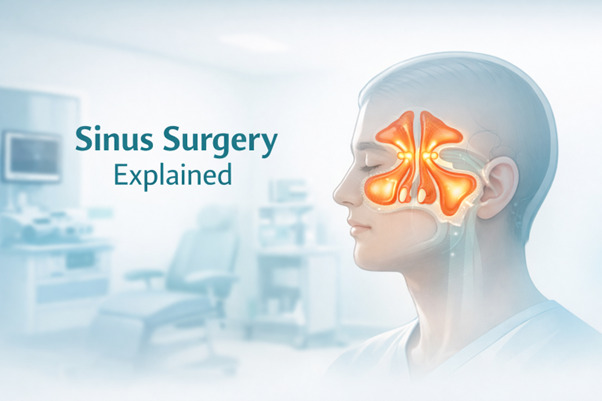
Sinus Surgery Explained

ENT Specialist Guide on Sinus Surgery in Singapore

Sinus surgery is often misunderstood as a quick fix for nasal congestion or sinus pressure. In clinical practice, it is a carefully considered medical decision made only after a thorough assessment and appropriate non-surgical treatment.

From an ENT perspective, surgery is not about taking drastic measures. It is about addressing a physical blockage or disease process when conservative treatment no longer provides adequate relief and symptoms continue to affect daily life.

Understanding the Purpose of Sinus Surgery

What sinus surgery is designed to achieve

The sinuses are air-filled cavities that rely on narrow drainage pathways to remain healthy. These pathways allow air to circulate and mucus to drain naturally into the nasal cavity.

When drainage pathways become blocked, mucus accumulates and creates an environment where inflammation and infection can persist. Over time, this can lead to chronic symptoms rather than short-term illness.

Sinus surgery is designed to restore these natural drainage pathways. By improving airflow and mucus clearance, surgery reduces the conditions that allow chronic inflammation to continue, supporting long-term symptom control rather than temporary relief.

Why surgery is not the first line of treatment

Most sinus conditions improve with medical management. This may include saline nasal irrigation, nasal sprays, antibiotics when appropriate, and allergy control.

Surgery is considered only when these measures fail to provide lasting improvement. This stepwise approach ensures that patients are not exposed to unnecessary procedures.

What an ENT Specialist Is Trying to Fix

What an ENT Specialist Is Trying to Fix

Blocked sinus drainage pathways

At the core of most surgical decisions is impaired sinus drainage. Swollen lining, narrow anatomy, or physical obstruction can prevent mucus from clearing properly.

When drainage remains compromised, symptoms such as facial pressure, nasal blockage, post-nasal drip, and repeated infections often persist.

Common underlying contributors

An ENT specialist looks beyond symptoms alone. Chronic sinusitis, nasal polyps, and long-standing inflammation are common contributors to blockage.

In some individuals, naturally narrow sinus openings or structural variations increase the likelihood of recurrent problems. Identifying these factors is essential before surgery is considered.

How ENT Specialists Decide Whether Surgery Is Appropriate

Clinical assessment and symptom history

The decision-making process begins with a detailed clinical assessment. Your ENT specialist will review symptom duration, severity, triggers, and previous treatments.

This helps distinguish temporary sinus problems from chronic disease that may benefit from surgical intervention.

Nasal endoscopy for direct visualisation

Nasal endoscopy allows the ENT to examine the nasal cavity and sinus drainage areas directly. It provides valuable information about swelling, polyps, mucus build-up, and structural narrowing.

This examination helps confirm whether physical findings align with reported symptoms.

Imaging to support surgical planning

CT imaging is commonly used to evaluate sinus anatomy and the extent of disease. It shows which sinuses are affected and how drainage pathways are blocked.

Imaging is typically reserved for cases where surgery is being actively considered.

Confirming medical treatment has been optimised

Before surgery is recommended, appropriate non-surgical treatments must be fully explored. These may include nasal irrigation, anti-inflammatory sprays, antibiotics when indicated, and allergy management.

Persistent symptoms despite comprehensive treatment may indicate the need for surgical support.

Clear Indicators That Sinus Surgery May Be Recommended

Clear Indicators That Sinus Surgery May Be Recommended

Ongoing symptoms affecting daily life

Chronic nasal congestion, facial pressure, headaches, post-nasal drip, and repeated sinus infections are common indicators that warrant further evaluation. Sleep disruption, reduced concentration, and fatigue are also frequently reported.

When symptoms persist for several months despite appropriate treatment, they can significantly affect work performance, social activities, and overall well-being. At this stage, quality of life becomes a key consideration.

ENT specialists carefully assess symptom impact alongside clinical findings. Surgery is discussed only when symptoms are persistent, meaningful, and supported by objective evidence.

Objective findings supporting surgery

Surgical recommendations are based on both symptoms and objective evidence. Endoscopy and imaging must demonstrate consistent signs of obstruction or disease.

This ensures that surgery targets a clearly defined problem.

Anatomy that promotes repeated blockage

Some patients have sinus anatomy that predisposes them to repeated blockage. Even with medication, drainage pathways may narrow again over time.

In such cases, surgery may provide more durable symptom control.

Types of Sinus Surgery an ENT Specialist May Recommend

Functional Endoscopic Sinus Surgery (FESS)

Functional Endoscopic Sinus Surgery is the most commonly performed sinus procedure. It is carried out using a thin endoscope inserted through the nostrils, allowing precise visualisation without external incisions.

During the procedure, the ENT specialist widens natural sinus openings and removes targeted obstructive tissue, such as inflamed lining or polyps. This improves ventilation and supports normal mucus drainage.

FESS is particularly useful for chronic sinusitis and more extensive disease. It is tailored to the individual’s anatomy and disease pattern rather than being a one-size-fits-all operation.

Balloon sinuplasty

Balloon sinuplasty uses a small balloon catheter to widen sinus openings gently. No tissue is removed during the procedure.

This approach may be suitable for selected patients with limited sinus disease, but it is not appropriate for all conditions.

Caldwell–Luc procedure in selected cases

The Caldwell–Luc procedure is a more traditional surgical approach used in specific situations. It creates an alternative drainage route for the maxillary sinus.

Due to its invasive nature, it is reserved for carefully selected cases.

Additional nasal procedures are performed alongside sinus surgery

Sinus surgery may be combined with procedures that improve nasal airflow. These include turbinate reduction or septoplasty when structural issues contribute to obstruction.

Addressing all contributing factors helps optimise surgical outcomes.

What to Expect on the Day of Surgery

Anaesthesia considerations

Sinus surgery may be performed under general or local anaesthesia, depending on the procedure and patient factors. General anaesthesia is more common for extensive surgery, while selected cases may be suitable for local anaesthesia.

Your ENT specialist will explain the safest and most comfortable option based on your medical history and treatment plan.

How endoscopic sinus surgery is performed

Using an endoscope, the ENT carefully identifies blocked sinus openings and areas of inflammation. Specialised instruments are used to widen drainage pathways while preserving as much normal tissue as possible.

The procedure is performed entirely through the nose. Temporary nasal packing or dissolvable materials may be placed to support healing and control bleeding.

How balloon sinuplasty is performed

For balloon sinuplasty, a small catheter is guided into the affected sinus opening. The balloon is gently inflated to widen the passage without removing tissue.

Once the pathway is opened, the balloon is removed. This allows the sinus to drain more effectively and improves airflow over time.

Expected Benefits and Realistic Outcomes

What surgery can improve

The main benefit of sinus surgery is improved sinus drainage and ventilation. Many patients report fewer infections, reduced facial pressure, and improved nasal breathing.

Better airflow often leads to improved sleep quality, reduced reliance on repeated antibiotics, and better day-to-day comfort.

What surgery does not guarantee

Sinus surgery does not eliminate the underlying tendency toward inflammation, especially in patients with allergies or chronic conditions. Medical management may still be required after surgery.

ENT specialists emphasise that surgery is part of a long-term management plan rather than a permanent cure. Realistic expectations are essential for patient satisfaction.

Risks and Safety Considerations

Common and uncommon risks

Bleeding is the most common surgical risk and is usually mild. Temporary congestion and nasal crusting are common during the healing process.

Rare complications include infection, fluid leakage near the brain, or eye-related issues. These risks are uncommon but discussed openly before surgery.

Why personalised risk assessment matters

Every patient’s anatomy is unique. Imaging and examination allow the ENT to plan surgery carefully and minimise potential risks.

Individualised planning is central to safe outcomes.

Recovery and Aftercare

Early recovery phase

Most patients experience mild to moderate discomfort for about one week. Nasal congestion, blood-stained discharge, and a feeling of pressure are common during early healing.

These symptoms usually improve gradually. Pain is typically manageable with prescribed medication.

Post-operative care priorities

Nasal irrigation is often recommended to clear debris and promote healing. Medications may be prescribed to reduce inflammation and prevent infection.

Follow-up visits allow the ENT specialist to assess healing, remove crusting, and adjust treatment as needed. Consistent aftercare plays a major role in long-term success.

When to seek medical advice

Persistent fever, increasing pain, heavy bleeding, or visual changes should be reported promptly. Early medical review helps identify and manage complications effectively.

Making an Informed Decision About Sinus Surgery

Questions worth discussing with your ENT

Have endoscopy and imaging confirmed the cause of your symptoms? Has appropriate medical treatment been fully explored?

Which surgical option best suits your condition and anatomy, and what outcomes can realistically be expected?

Final Thoughts

Sinus surgery is never recommended lightly. It is considered only when symptoms persist despite appropriate medical treatment and objective findings support intervention.

When carefully selected and expertly performed, sinus surgery can provide meaningful, long-term symptom relief. Ongoing care, realistic expectations, and open communication with your ENT specialist remain essential for the best outcome.

Frequently Asked Questions

Is sinus surgery always performed through the nose?

Most modern sinus surgeries are endoscopic and carried out through the nostrils. External incisions are rarely required.

What is the difference between FESS and balloon sinuplasty?

FESS involves removing obstructive tissue to open sinus drainage pathways. Balloon sinuplasty widens openings without tissue removal.

Why is imaging needed before surgery?

Imaging provides a detailed view of sinus anatomy and disease extent. It supports accurate and safe surgical planning.

How long does recovery usually take?

Initial recovery typically takes one to two weeks. Complete healing continues over several weeks.

When should I contact my ENT after surgery?

You should seek review if bleeding, pain, or fever worsen unexpectedly.

Managing Sinus Problems Without Surgery: Treatment Options from an ENT Clinic

Why Surgery Is Not Always the First Step

Introduction: Why Surgery Is Not Always the First Step

Sinus problems can be frustrating, uncomfortable, and disruptive to daily life. Many people assume that if symptoms last for weeks or keep coming back, surgery is the only solution.

In reality, most sinus conditions can be managed effectively without surgery. An ENT clinic focuses first on reducing inflammation, improving sinus drainage, and treating the underlying cause before considering any surgical approach.

With the right diagnosis and a structured treatment plan, many patients experience significant relief using non-surgical options alone.

Understanding Sinus Problems That Can Be Managed Without Surgery

Sinus issues vary widely, and not all of them require invasive treatment. Knowing what type of sinus problem you have is the first step toward effective care.

Common Non-Surgical Sinus Conditions

Chronic rhinosinusitis is one of the most common conditions treated without surgery. It involves long-term inflammation of the sinuses, often lasting more than 12 weeks.

Recurrent sinus infections can also be managed medically, especially when they are linked to inflammation or allergies rather than structural blockages.

Sinus problems related to allergic rhinitis are another frequent cause of persistent congestion and pressure. When allergies drive inflammation, controlling the allergy often improves sinus symptoms as well.

How an ENT Clinic Identifies the Right Non-Surgical Treatment

How an ENT Clinic Identifies the Right Non-Surgical Treatment

Effective sinus care starts with an accurate diagnosis. An ENT clinic focuses on understanding why symptoms are happening, not just treating them temporarily.

Clinical Assessment and Symptom Review

Your ENT doctor will ask detailed questions about symptom duration, triggers, and previous treatments. This helps identify patterns such as allergy-related flare-ups or infection-driven episodes.

A careful nasal examination allows the doctor to assess swelling, mucus, and airflow without discomfort.

Diagnostic Tools Used When Needed

Nasal endoscopy may be used to look directly inside the nasal passages and sinus drainage pathways. It provides clear information about inflammation, discharge, or nasal polyps.

Imaging, such as a CT scan is considered when symptoms persist despite treatment or when anatomy needs closer evaluation.

Allergy assessment may be recommended if allergic triggers are suspected to be worsening sinus inflammation.

First-Line Medical Treatments Used by ENT Clinics

Most non-surgical sinus treatment plans begin with simple, effective medical therapies. These treatments aim to restore normal sinus function rather than suppress symptoms temporarily.

Saline Nasal Irrigation

Saline rinses help wash out mucus, allergens, and irritants from the nasal passages. They also improve the effectiveness of other nasal medications.

Regular nasal irrigation supports healthy sinus drainage and reduces congestion over time.

Steroid Nasal Sprays

Steroid nasal sprays are commonly used to reduce ongoing inflammation inside the nose and sinuses. They help shrink swollen tissues and open natural drainage pathways.

These sprays are designed for consistent use and work best when taken as prescribed rather than for quick relief.

Managing Sinus Problems Linked to Allergies

Allergies are a major contributor to long-term sinus inflammation. If allergies are not controlled, sinus symptoms often persist or return.

Identifying Allergic Triggers

ENT clinics assess whether dust, pollen, mould, or other allergens are contributing to sinus swelling. Recognising these triggers helps guide treatment decisions.

Reducing exposure to known allergens can significantly improve sinus comfort.

Medical Allergy Management

Antihistamines may be prescribed to reduce allergic reactions that affect the nasal lining. Nasal steroid sprays also play a key role in calming allergic inflammation.

For patients with ongoing symptoms, allergy testing and immunotherapy may be considered to provide longer-term control.

Advanced Medical Treatments for Persistent Symptoms

When first-line treatments are not enough, ENT clinics may escalate care while still avoiding surgery.

Short Courses of Oral Steroids

Oral steroids may be used for short periods in patients with severe inflammation or nasal polyps. They can rapidly reduce swelling and improve airflow.

Because of potential side effects, these medications are carefully prescribed and monitored.

Antibiotics When Bacterial Infection Is Confirmed

Not all sinus infections require antibiotics. They are used only when symptoms and findings suggest a bacterial cause.

Responsible antibiotic use helps prevent resistance and avoids unnecessary side effects.

Biologic Medications for Severe Inflammation

For selected patients with chronic sinusitis and nasal polyps, biologic medications may be considered. These treatments target specific inflammatory pathways.

They are prescribed by specialists and reserved for cases that do not respond to standard medical therapy.

Non-Surgical In-Office ENT Procedures

Some sinus problems benefit from clinic-based procedures that do not involve traditional surgery. These treatments are minimally invasive and are usually performed under local anaesthesia.

They are offered only after careful assessment and are suitable for selected patients.

Balloon Sinuplasty

Balloon sinuplasty is designed to widen narrowed sinus openings. A small balloon is gently inflated to improve drainage without removing bone or tissue.

This procedure helps restore normal airflow and is often associated with shorter recovery times compared to surgery.

Office-Based Treatments for Chronic Nasal Congestion

Certain patients experience ongoing congestion due to nerve-related nasal inflammation rather than infection. In such cases, targeted in-office treatments may be considered.

These procedures aim to reduce excessive nasal gland activity and inflammation, helping improve breathing and comfort with minimal downtime.

Supportive Home Measures That Complement ENT Treatment

Supportive Home Measures That Complement ENT Treatment

Medical treatment works best when supported by simple daily habits. These measures help maintain sinus health between clinic visits.

Daily Care and Environmental Support

Regular saline rinses help keep the nasal passages clean and moist. Staying well hydrated also supports healthy mucus flow.

Using a humidifier in dry environments can reduce nasal dryness and irritation, particularly during air-conditioned or cooler seasons.

What Home Care Cannot Replace

While home measures are helpful, they do not replace medical evaluation. Persistent or worsening symptoms should always be reviewed by an ENT doctor.

Self-treatment alone may delay proper diagnosis and effective care.

When Non-Surgical Treatment May Not Be Enough

Although many sinus problems respond well to conservative care, some cases require further discussion.

Signs That Reassessment Is Needed

Symptoms that continue despite appropriate treatment may indicate persistent inflammation, nasal polyps, or anatomical narrowing.

Regular follow-up allows the ENT doctor to adjust treatment or consider additional options when necessary.

Surgery as a Later Consideration

Surgery is typically discussed only after non-surgical treatments have been carefully tried and optimised. Even then, it is considered part of a broader, long-term management plan.

The goal remains to improve sinus function while minimising disruption to daily life.

Conclusion: A Step-by-Step Approach to Sinus Relief

Managing sinus problems does not automatically mean surgery is required. Many sinus conditions are driven by inflammation, allergies, or drainage issues that can be effectively addressed with non-surgical treatment when guided by an ENT clinic.

A step-by-step approach allows symptoms to be properly assessed, treated, and monitored over time. From medical therapy and allergy control to selected in-office procedures, treatment plans are tailored to the individual rather than applied as a one-size-fits-all solution.

Early consultation with an ENT doctor plays a key role in preventing symptoms from becoming long-term or more complicated. With timely care and appropriate follow-up, many patients are able to achieve meaningful, lasting relief while avoiding unnecessary surgical intervention.

Sinus Problems Explained: Common Causes, Warning Signs, and When to Seek Treatment

Understanding Sinus Problems and Their Impact

Introduction: Understanding Sinus Problems and Their Impact

Sinus problems are one of the most common reasons people experience lingering nasal discomfort, facial pressure, or blocked breathing. Many individuals assume these symptoms are simply part of a cold and expect them to resolve quickly.

However, sinus conditions follow clear medical patterns. Understanding what causes sinus problems, how symptoms progress, and when treatment is necessary helps prevent prolonged discomfort and long-term complications.

What Are the Sinuses and Why Do Problems Occur

The sinuses are air-filled cavities located around the nose, cheeks, eyes, and forehead. They play an important role in filtering and humidifying inhaled air while allowing mucus to drain naturally into the nasal passages.

Sinus problems occur when the lining of these cavities becomes inflamed. This swelling blocks normal drainage, causing mucus to accumulate and leading to congestion, pressure, and pain.

Common Causes of Sinus Problems

Common Causes of Sinus Problems

Common Causes of Sinus Problems

Viral infections are the most frequent cause of sinus symptoms. They commonly develop after a cold and usually improve within seven to ten days.

During a viral illness, the sinus lining swells and produces excess mucus. Although symptoms may feel uncomfortable, most cases resolve without medical treatment.

Bacterial Infections

Bacterial sinus infections are less common. They are more likely when symptoms persist, worsen, or return after initial improvement.

Blocked sinuses create an environment where bacteria can multiply. In such cases, targeted medical treatment may be required.

Allergy-Related Inflammation

Allergies can cause ongoing inflammation of the nasal and sinus lining. This swelling interferes with mucus drainage and increases the risk of repeated sinus problems.

People with allergic rhinitis often experience congestion, pressure, and postnasal drip even without infection. Proper allergy management is essential to reduce recurrence.

Fungal Sinus Infections

Fungal sinus infections are rare. They tend to occur in individuals with weakened immune systems.

These infections can be more serious and usually require specialist assessment and treatment.

Factors That Increase the Risk of Sinus Problems

Certain conditions make sinus issues more likely or more persistent. Allergic rhinitis and asthma are common contributors due to ongoing airway inflammation.

Structural factors such as a deviated septum or nasal polyps can narrow sinus drainage pathways. Smoking, air pollution, and a weakened immune system also increase susceptibility.

Recognising Sinus Symptoms

Core Symptoms

Typical sinus symptoms include nasal blockage and congestion. Many people also notice thick nasal discharge or postnasal drip.

Facial pain or pressure is a key feature, often worsening when bending forward. A reduced sense of smell is also common.

Additional Symptoms

Sinus problems can cause headaches, fatigue, and a feeling of heaviness in the face. Some individuals experience upper tooth discomfort or ear pressure.

Cough, bad breath, and mild fever may also occur, particularly during infections.

Understanding Duration and Symptom Patterns

Acute Sinusitis

Acute sinusitis refers to symptoms lasting less than four weeks. Most cases are linked to viral infections and improve gradually.

Supportive care is usually sufficient during this phase.

Subacute Sinusitis

Subacute sinusitis lasts between four and twelve weeks. Symptoms may persist without fully resolving.

Medical evaluation helps determine whether further treatment is needed.

Chronic Sinusitis

Chronic sinusitis is diagnosed when symptoms persist for more than twelve weeks. Inflammation becomes ongoing rather than temporary.

Symptoms may include long-term congestion, pressure, and reduced smell without significant fever.

Recurrent Sinusitis

Recurrent sinusitis involves multiple acute episodes within a year. Each episode resolves but returns repeatedly.

This pattern often suggests underlying factors such as allergies or structural issues.

Warning Signs That Require Medical Attention

Warning Signs That Require Medical Attention

When to Book a Medical Review

Medical assessment is recommended when sinus symptoms last longer than seven to ten days. Worsening symptoms after initial improvement should also be reviewed.

Repeated sinus infections within a year indicate the need for further evaluation.

When Urgent Care Is Needed

Urgent medical attention is required if swelling or redness appears around the eyes. Vision changes, severe headache, confusion, or neck stiffness are also warning signs.

A high or persistent fever should never be ignored.

How Sinus Problems Are Evaluated

Evaluation begins with a detailed review of symptoms, duration, and triggers. A physical examination of the nose and throat follows.

Nasal endoscopy may be used to assess deeper nasal structures. Imaging studies are reserved for persistent, severe, or complex cases.

Allergy testing may be recommended when allergic inflammation is suspected.

Treatment Approaches

Supportive and Medical Care

Many sinus problems respond well to conservative treatment. Saline nasal rinses help clear mucus and reduce irritation.

Medications may be prescribed to control inflammation and relieve symptoms based on the underlying cause.

Antibiotic Use

Antibiotics are not routinely required for sinus problems. Most cases are viral or inflammatory rather than bacterial.

They are used only when bacterial infection is likely and clinically indicated.

Surgical Treatment

Surgery is considered only when medical treatment has failed. It is aimed at improving sinus drainage and airflow.

This option is reserved for selected patients with persistent symptoms.

Preventing Recurrence

Managing allergies effectively is key to preventing recurrent sinus problems. Avoiding smoke and environmental irritants also protects nasal health.

Maintaining good nasal hygiene and seeking early medical advice for persistent symptoms can reduce long-term complications.

Conclusion

Sinus problems are common, but they should not be dismissed when symptoms linger or keep returning. What often starts as a simple blocked nose can develop into ongoing inflammation if the underlying cause is not properly addressed.

Understanding how sinus problems arise, how long symptoms last, and which warning signs matter most allows individuals to make informed decisions about their health. Paying attention to symptom patterns is often the first step toward effective management.

While many sinus conditions resolve with simple care, persistent or recurrent symptoms deserve medical assessment. Early, targeted treatment not only relieves discomfort but also helps prevent chronic sinus disease and potential complications.

With the right approach, most people can regain comfortable breathing and maintain long-term sinus health.